Buy screenwriting.eu ?
We are moving the project
screenwriting.eu .
Are you interested in purchasing the domain
screenwriting.eu ?
domain@kv-gmbh.de · 0541-91531010
Buy screenwriting.eu ?
What is the structure of a type of turbine?
A type of turbine, such as a steam turbine, typically consists of several key components. These include a rotor, blades, a casing, and a shaft. The rotor is the rotating part of the turbine that is connected to the shaft. The blades are attached to the rotor and are designed to capture the energy from the fluid (such as steam or water) flowing through the turbine. The casing surrounds the rotor and blades, directing the flow of fluid and helping to increase efficiency. **
What is a wind turbine?
A wind turbine is a device that converts the kinetic energy of the wind into mechanical energy, which is then used to generate electricity. It consists of large blades attached to a rotor, which spins when the wind blows. The spinning rotor is connected to a generator that produces electricity. Wind turbines are typically grouped together in wind farms to generate large amounts of renewable energy. **

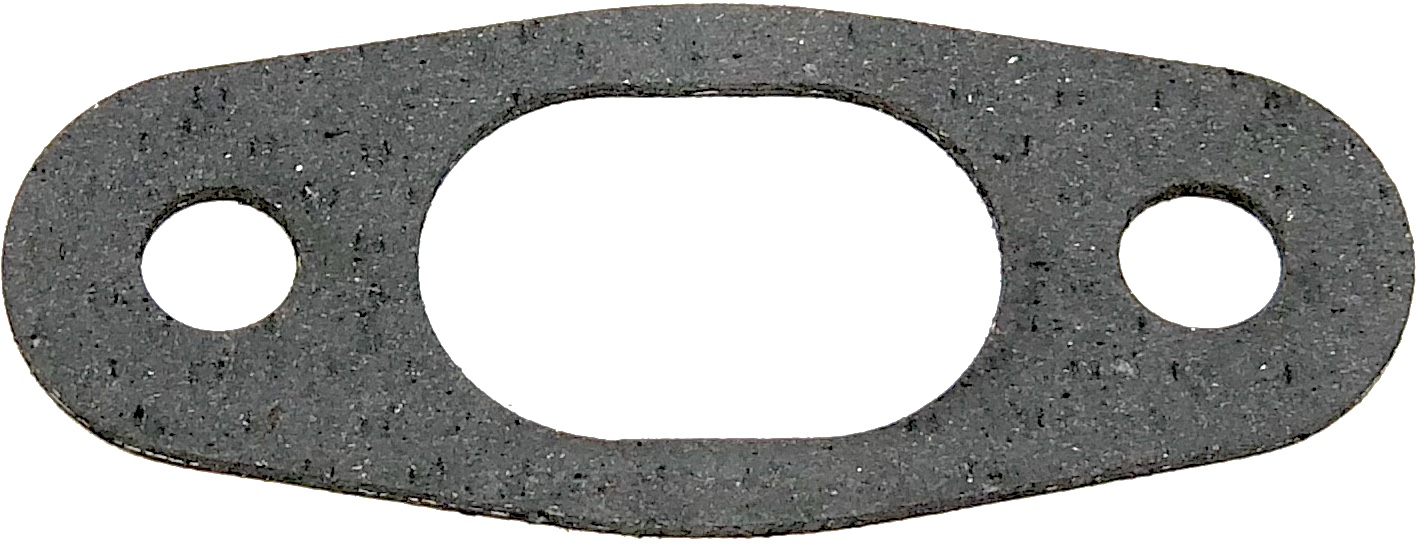
Similar search terms for AJUSA-01049000-Seal-turbine
Top-Angebote
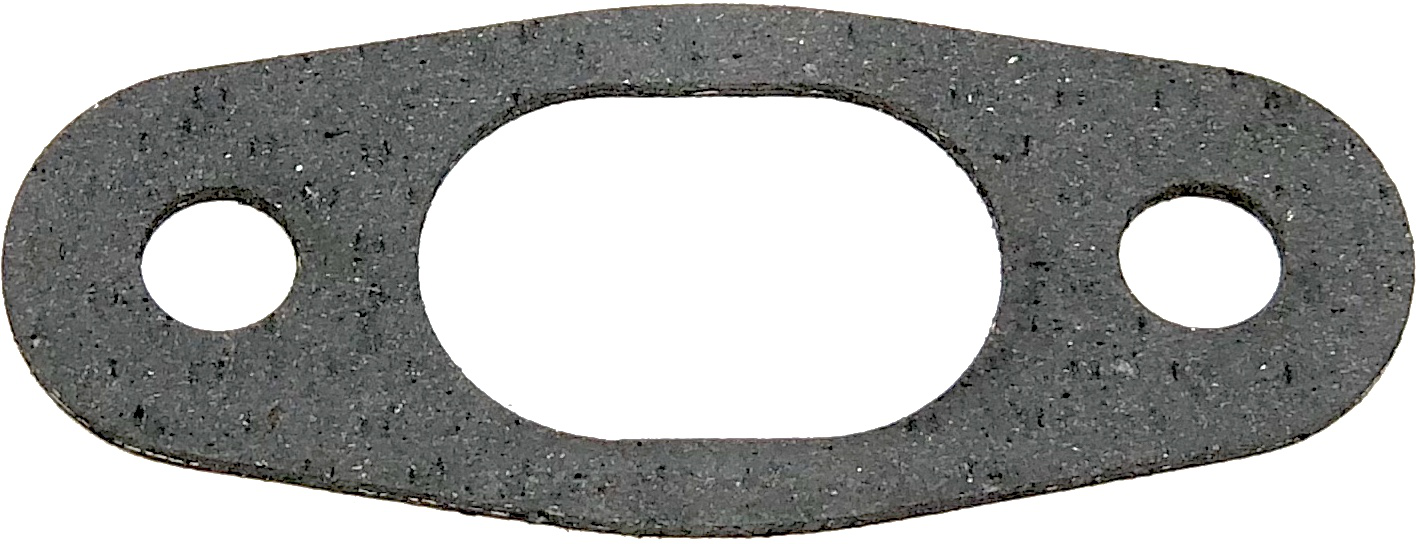
Products related to AJUSA-01049000-Seal-turbine:


-
How are turbine blades manufactured?
Turbine blades are typically manufactured using advanced techniques such as precision casting or additive manufacturing. In precision casting, a wax pattern of the blade is created and then coated with ceramic material to form a mold. The mold is then heated to melt the wax and leave a cavity in the shape of the blade, which is then filled with molten metal to form the final blade. Additive manufacturing, on the other hand, involves building up the blade layer by layer using a 3D printing process. Both methods require high precision and quality control to ensure the blades meet the strict performance requirements for use in turbines. **
-
What is the difference between a high-pressure turbine and a low-pressure turbine?
The main difference between a high-pressure turbine and a low-pressure turbine lies in their location within a gas turbine engine. High-pressure turbines are located closer to the combustion chamber and are responsible for driving the compressor, while low-pressure turbines are positioned further downstream and are typically larger in size, focusing on extracting energy from the hot gases to drive the engine's output shaft. High-pressure turbines operate at higher temperatures and pressures, while low-pressure turbines operate at lower temperatures and pressures, reflecting their respective roles in the engine's power generation process. **
-
Seal weight
Seal weight refers to the average weight of a seal, which can vary depending on the species. For example, a harbor seal typically weighs between 100-300 pounds, while an elephant seal can weigh up to 8,800 pounds. The weight of a seal is important for understanding their biology, behavior, and conservation needs. Monitoring seal weight can also help researchers track population health and changes in their environment. **
-
How can one seal a flat roof structure before winter?
To seal a flat roof structure before winter, you can start by inspecting the roof for any existing damage or cracks. Repair any damaged areas and ensure that the roof is clean and free of debris. Next, apply a waterproof sealant or coating to the entire surface of the roof to protect it from moisture and ice buildup during the winter months. It's also important to check and repair any flashing or seams to prevent water from seeping in. Finally, consider adding insulation to the roof to help prevent heat loss and reduce the risk of ice dams forming. **
What is a wind turbine 2?
A wind turbine is a device that converts the kinetic energy of the wind into mechanical power, which can then be used to generate electricity. Wind turbines consist of blades that rotate when the wind blows, a shaft that connects the blades to a generator, and a tower that supports the entire structure. The generator then converts the mechanical power into electrical power, which can be fed into the electrical grid or used to power homes and businesses. Wind turbines are a sustainable and renewable source of energy that helps reduce reliance on fossil fuels and decrease greenhouse gas emissions. **
What do wind turbine technicians earn?
Wind turbine technicians earn a median annual wage of around $56,230, according to the U.S. Bureau of Labor Statistics. However, this can vary depending on factors such as experience, location, and the specific employer. Technicians may also receive additional compensation for working in remote or challenging environments, as well as overtime pay for working long or irregular hours. Overall, the salary for wind turbine technicians is competitive and can provide a stable income for those in the field. **
Top-Angebote
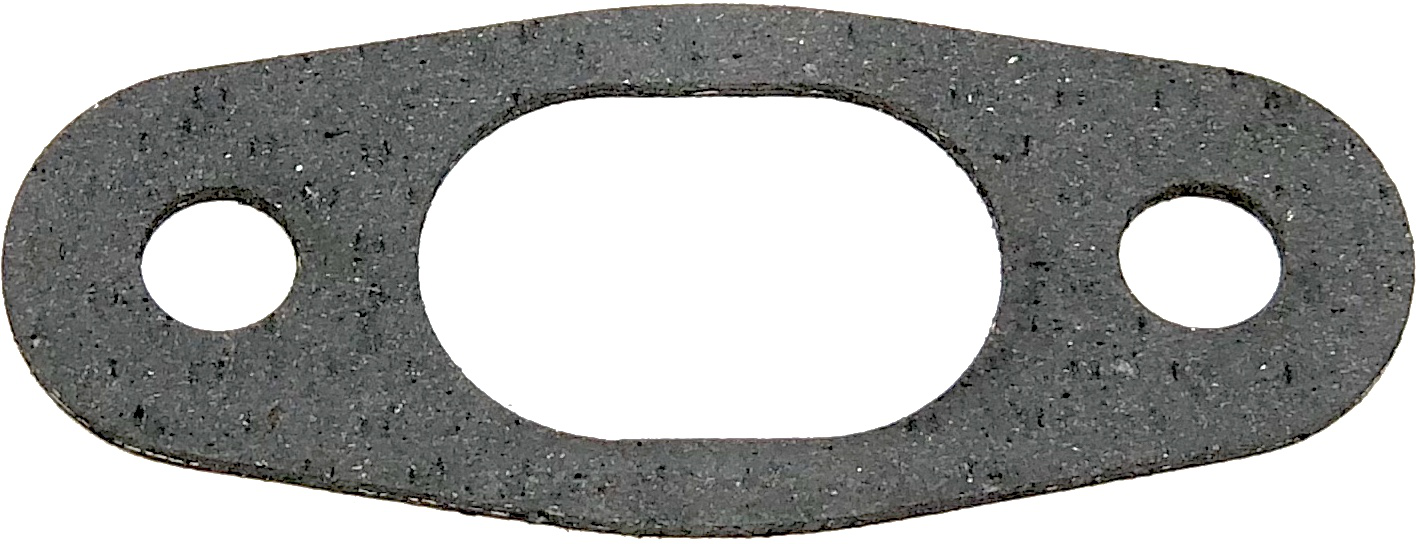
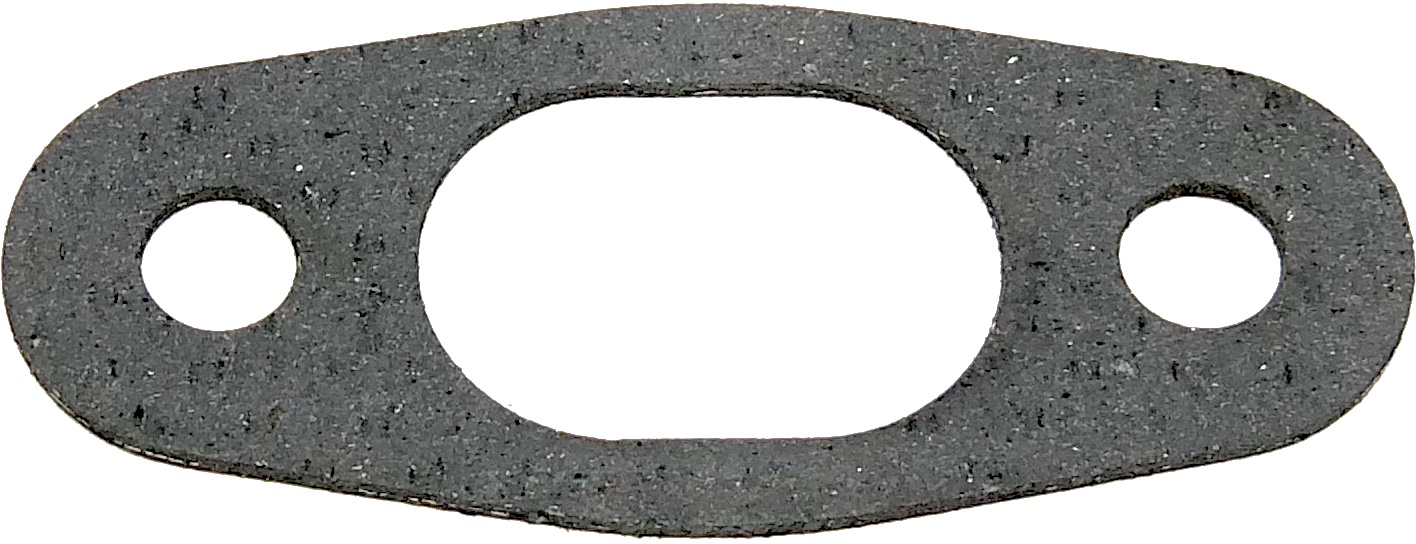
Products related to AJUSA-01049000-Seal-turbine:
-
What is the structure of a type of turbine?
A type of turbine, such as a steam turbine, typically consists of several key components. These include a rotor, blades, a casing, and a shaft. The rotor is the rotating part of the turbine that is connected to the shaft. The blades are attached to the rotor and are designed to capture the energy from the fluid (such as steam or water) flowing through the turbine. The casing surrounds the rotor and blades, directing the flow of fluid and helping to increase efficiency. **
-
What is a wind turbine?
A wind turbine is a device that converts the kinetic energy of the wind into mechanical energy, which is then used to generate electricity. It consists of large blades attached to a rotor, which spins when the wind blows. The spinning rotor is connected to a generator that produces electricity. Wind turbines are typically grouped together in wind farms to generate large amounts of renewable energy. **
-
How are turbine blades manufactured?
Turbine blades are typically manufactured using advanced techniques such as precision casting or additive manufacturing. In precision casting, a wax pattern of the blade is created and then coated with ceramic material to form a mold. The mold is then heated to melt the wax and leave a cavity in the shape of the blade, which is then filled with molten metal to form the final blade. Additive manufacturing, on the other hand, involves building up the blade layer by layer using a 3D printing process. Both methods require high precision and quality control to ensure the blades meet the strict performance requirements for use in turbines. **
-
What is the difference between a high-pressure turbine and a low-pressure turbine?
The main difference between a high-pressure turbine and a low-pressure turbine lies in their location within a gas turbine engine. High-pressure turbines are located closer to the combustion chamber and are responsible for driving the compressor, while low-pressure turbines are positioned further downstream and are typically larger in size, focusing on extracting energy from the hot gases to drive the engine's output shaft. High-pressure turbines operate at higher temperatures and pressures, while low-pressure turbines operate at lower temperatures and pressures, reflecting their respective roles in the engine's power generation process. **
Similar search terms for AJUSA-01049000-Seal-turbine
-
Seal weight
Seal weight refers to the average weight of a seal, which can vary depending on the species. For example, a harbor seal typically weighs between 100-300 pounds, while an elephant seal can weigh up to 8,800 pounds. The weight of a seal is important for understanding their biology, behavior, and conservation needs. Monitoring seal weight can also help researchers track population health and changes in their environment. **
-
How can one seal a flat roof structure before winter?
To seal a flat roof structure before winter, you can start by inspecting the roof for any existing damage or cracks. Repair any damaged areas and ensure that the roof is clean and free of debris. Next, apply a waterproof sealant or coating to the entire surface of the roof to protect it from moisture and ice buildup during the winter months. It's also important to check and repair any flashing or seams to prevent water from seeping in. Finally, consider adding insulation to the roof to help prevent heat loss and reduce the risk of ice dams forming. **
-
What is a wind turbine 2?
A wind turbine is a device that converts the kinetic energy of the wind into mechanical power, which can then be used to generate electricity. Wind turbines consist of blades that rotate when the wind blows, a shaft that connects the blades to a generator, and a tower that supports the entire structure. The generator then converts the mechanical power into electrical power, which can be fed into the electrical grid or used to power homes and businesses. Wind turbines are a sustainable and renewable source of energy that helps reduce reliance on fossil fuels and decrease greenhouse gas emissions. **
-
What do wind turbine technicians earn?
Wind turbine technicians earn a median annual wage of around $56,230, according to the U.S. Bureau of Labor Statistics. However, this can vary depending on factors such as experience, location, and the specific employer. Technicians may also receive additional compensation for working in remote or challenging environments, as well as overtime pay for working long or irregular hours. Overall, the salary for wind turbine technicians is competitive and can provide a stable income for those in the field. **
* All prices are inclusive of VAT and, if applicable, plus shipping costs. The offer information is based on the details provided by the respective shop and is updated through automated processes. Real-time updates do not occur, so deviations can occur in individual cases. ** Note: Parts of this content were created by AI.