Buy screenwriting.eu ?
We are moving the project
screenwriting.eu .
Are you interested in purchasing the domain
screenwriting.eu ?
domain@kv-gmbh.de · 0541-91531010
Buy screenwriting.eu ?
What is the difference between patchwork and quilting?
Patchwork and quilting are related but distinct crafts. Patchwork involves sewing together small pieces of fabric to create a larger design or pattern, often using a variety of colors and prints. Quilting, on the other hand, refers to the process of layering the patchwork top with batting and a backing fabric, and then stitching through all the layers to create a finished quilt. In essence, patchwork is the design and piecing of the fabric, while quilting is the process of finishing the quilt with batting and stitching. **
Isn't patchwork and quilting somehow the same thing?
Patchwork and quilting are related but not the same thing. Patchwork refers to the technique of sewing together small pieces of fabric to create a larger design, while quilting refers to the process of stitching together the layers of a quilt to create a finished piece. Quilting often incorporates patchwork designs, but it can also include other techniques such as appliqué and embroidery. In summary, patchwork is a specific technique within quilting, but quilting encompasses a broader range of techniques and processes. **
Similar search terms for Quilting
Top-Angebote
Products related to Quilting:
-
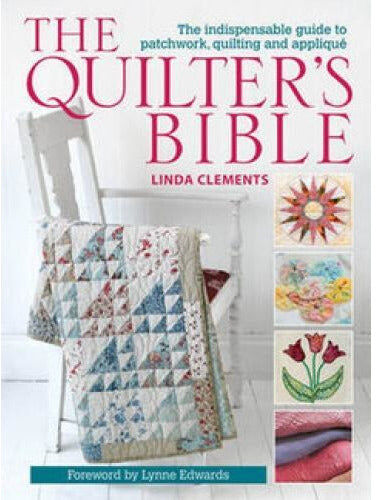
David & Charles The Quilters Bible The Indispensable Guide To Patchwork Quilting And Appliquehttp://www.play.com/stores/snazal/listing/789147436The Quilter's Bible: The Indispensable Guide to Patchwork; Quilting and Applique This is the most comprehensive book on the market for patchwork; quilting and applique techniques and is ideal for both the beginner looking for trustworthy advice in a single volume and the committed quilter searching for authoritative reference for seldom-used techniques. Book Description Every quilter; whether you are new or more experienced; should own this comprehensive guide to all quilting techniques. Packed full of expert advice on all aspects of quilting; patchwork and applique it holds the answer to all your quilting questions. It presents essential advice and instructions alongside a wide range of inspirational samples of work collected from international top-name quilters. It also features over 15 quilt projects including cot quilts; bed quilts; lap quilts; bags; cushions; wall hangings; table mats and runners; and other beautiful projects for the home. Easy-to-follow step-by-step instructions; clear diagrams and stunning photography combine to create this must-have resource for quilters of all abilities. Techniques covered include quilting basics such as making a quilt sandwich; hand and machine quilting; basting and binding a quilt. Other techniques include big stitch; sashiko; free motion; corded and stuffed (trapunto) quilting. There are instructions for over 100 different patchwork blocks; with detailed instructions for different kinds of piecing such as English paper piecing; foundation piecing and strip piecing. Techniques for applique are also included which cover different types of applique such as needle-turn; reverse; inlaid and shadow applique as well as using freezer paper and fusible web.12,95 £*Shipping: 2,99 £Secure redirect to the provider
-
What do you do with the basting threads when hand quilting?
When hand quilting, the basting threads are removed once the quilting is complete. These temporary threads are used to hold the layers of the quilt together while the quilting stitches are being added. Once the quilting is finished, the basting threads are carefully snipped and removed from the quilt. This allows the quilt to be finished and the layers to be securely held together by the quilting stitches. **
-
Are the Carina Professional Stick and the darning foot necessary for free motion quilting?
While the Carina Professional Stick and the darning foot are not absolutely necessary for free motion quilting, they can be very helpful tools. The Carina Professional Stick helps to keep the quilt layers smooth and taut while quilting, which can result in more even stitches. The darning foot is designed specifically for free motion quilting, allowing for better visibility of the stitching area and preventing fabric from getting caught. Overall, while not essential, these tools can make the free motion quilting process easier and more efficient. **
-
What is the structure of a dialogue?
A dialogue typically consists of two or more characters engaging in a conversation. Each character's lines are usually separated by quotation marks to indicate direct speech. Dialogues often include tags to identify the speaker, such as "he said" or "she replied." Additionally, dialogues may include descriptions of characters' actions or emotions to provide context and enhance the reader's understanding of the interaction. **
-
Can you write a scene of conflict?
Sure! Here's a scene of conflict: As the sun set behind the mountains, tension filled the air in the small town square. A group of protesters clashed with the local authorities, shouting slogans and waving signs. The police formed a line, trying to keep the crowd under control, but the anger was palpable. The two sides faced off, each unwilling to back down, and the situation seemed on the brink of erupting into violence. The air crackled with the intensity of the conflict, and it was clear that a resolution would not come easily. **
How do I write an essay in dialogue format?
When writing an essay in dialogue format, you should use quotation marks to indicate when a character is speaking. Each new speaker should have their own paragraph, and you should also include attributions to indicate who is speaking. It's important to maintain proper punctuation and grammar throughout the dialogue, and to ensure that the dialogue flows naturally and contributes to the overall message of the essay. Additionally, be sure to use dialogue to advance the plot or convey important information, rather than just for the sake of including conversation. **
What is the Chinese character for "conflict"?
The Chinese character for "conflict" is 冲突 (chōngtū). This character is made up of two parts: 冲 (chōng) meaning "to clash" or "to rush" and 突 (tū) meaning "to dash" or "to penetrate." When combined, these two characters form the word 冲突, which represents the concept of conflict or confrontation. **
Top-Angebote
Products related to Quilting:
-
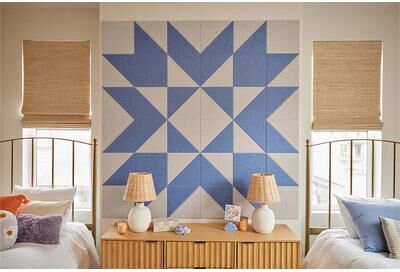
Felt Right Quilting Star Sound Dampening Pinnable TilesEach Felt Right tile is made from high-density, engineered PET felt that has a warm, wool-like appearance but is also very durable and wear-resistant! Each of our ⅜” Felt Right tiles act as a sound barrier on your walls. The fibrous nature of the...351,04 $*Shipping: 0,00 $Secure redirect to the provider
-
David & Charles The Quilters Bible The Indispensable Guide To Patchwork Quilting And Appliquehttp://www.play.com/stores/snazal/listing/789147436The Quilter's Bible: The Indispensable Guide to Patchwork; Quilting and Applique This is the most comprehensive book on the market for patchwork; quilting and applique techniques and is ideal for both the beginner looking for trustworthy advice in a single volume and the committed quilter searching for authoritative reference for seldom-used techniques. Book Description Every quilter; whether you are new or more experienced; should own this comprehensive guide to all quilting techniques. Packed full of expert advice on all aspects of quilting; patchwork and applique it holds the answer to all your quilting questions. It presents essential advice and instructions alongside a wide range of inspirational samples of work collected from international top-name quilters. It also features over 15 quilt projects including cot quilts; bed quilts; lap quilts; bags; cushions; wall hangings; table mats and runners; and other beautiful projects for the home. Easy-to-follow step-by-step instructions; clear diagrams and stunning photography combine to create this must-have resource for quilters of all abilities. Techniques covered include quilting basics such as making a quilt sandwich; hand and machine quilting; basting and binding a quilt. Other techniques include big stitch; sashiko; free motion; corded and stuffed (trapunto) quilting. There are instructions for over 100 different patchwork blocks; with detailed instructions for different kinds of piecing such as English paper piecing; foundation piecing and strip piecing. Techniques for applique are also included which cover different types of applique such as needle-turn; reverse; inlaid and shadow applique as well as using freezer paper and fusible web.12,95 £*Shipping: 2,99 £Secure redirect to the provider
-
What is the difference between patchwork and quilting?
Patchwork and quilting are related but distinct crafts. Patchwork involves sewing together small pieces of fabric to create a larger design or pattern, often using a variety of colors and prints. Quilting, on the other hand, refers to the process of layering the patchwork top with batting and a backing fabric, and then stitching through all the layers to create a finished quilt. In essence, patchwork is the design and piecing of the fabric, while quilting is the process of finishing the quilt with batting and stitching. **
-
Isn't patchwork and quilting somehow the same thing?
Patchwork and quilting are related but not the same thing. Patchwork refers to the technique of sewing together small pieces of fabric to create a larger design, while quilting refers to the process of stitching together the layers of a quilt to create a finished piece. Quilting often incorporates patchwork designs, but it can also include other techniques such as appliqué and embroidery. In summary, patchwork is a specific technique within quilting, but quilting encompasses a broader range of techniques and processes. **
-
What do you do with the basting threads when hand quilting?
When hand quilting, the basting threads are removed once the quilting is complete. These temporary threads are used to hold the layers of the quilt together while the quilting stitches are being added. Once the quilting is finished, the basting threads are carefully snipped and removed from the quilt. This allows the quilt to be finished and the layers to be securely held together by the quilting stitches. **
-
Are the Carina Professional Stick and the darning foot necessary for free motion quilting?
While the Carina Professional Stick and the darning foot are not absolutely necessary for free motion quilting, they can be very helpful tools. The Carina Professional Stick helps to keep the quilt layers smooth and taut while quilting, which can result in more even stitches. The darning foot is designed specifically for free motion quilting, allowing for better visibility of the stitching area and preventing fabric from getting caught. Overall, while not essential, these tools can make the free motion quilting process easier and more efficient. **
Similar search terms for Quilting
-
What is the structure of a dialogue?
A dialogue typically consists of two or more characters engaging in a conversation. Each character's lines are usually separated by quotation marks to indicate direct speech. Dialogues often include tags to identify the speaker, such as "he said" or "she replied." Additionally, dialogues may include descriptions of characters' actions or emotions to provide context and enhance the reader's understanding of the interaction. **
-
Can you write a scene of conflict?
Sure! Here's a scene of conflict: As the sun set behind the mountains, tension filled the air in the small town square. A group of protesters clashed with the local authorities, shouting slogans and waving signs. The police formed a line, trying to keep the crowd under control, but the anger was palpable. The two sides faced off, each unwilling to back down, and the situation seemed on the brink of erupting into violence. The air crackled with the intensity of the conflict, and it was clear that a resolution would not come easily. **
-
How do I write an essay in dialogue format?
When writing an essay in dialogue format, you should use quotation marks to indicate when a character is speaking. Each new speaker should have their own paragraph, and you should also include attributions to indicate who is speaking. It's important to maintain proper punctuation and grammar throughout the dialogue, and to ensure that the dialogue flows naturally and contributes to the overall message of the essay. Additionally, be sure to use dialogue to advance the plot or convey important information, rather than just for the sake of including conversation. **
-
What is the Chinese character for "conflict"?
The Chinese character for "conflict" is 冲突 (chōngtū). This character is made up of two parts: 冲 (chōng) meaning "to clash" or "to rush" and 突 (tū) meaning "to dash" or "to penetrate." When combined, these two characters form the word 冲突, which represents the concept of conflict or confrontation. **
* All prices are inclusive of VAT and, if applicable, plus shipping costs. The offer information is based on the details provided by the respective shop and is updated through automated processes. Real-time updates do not occur, so deviations can occur in individual cases. ** Note: Parts of this content were created by AI.