Buy screenwriting.eu ?
We are moving the project
screenwriting.eu .
Are you interested in purchasing the domain
screenwriting.eu ?
domain@kv-gmbh.de · 0541-91531010
Buy screenwriting.eu ?
What are sensory cells, sensory organs, and senses?
Sensory cells are specialized cells that detect and respond to specific stimuli, such as light, sound, touch, taste, and smell. These cells are found in sensory organs, which are structures in the body that contain sensory cells and are responsible for detecting and transmitting sensory information to the brain. The senses, on the other hand, are the physiological capacities of organisms that provide data for perception. They include sight, hearing, touch, taste, and smell, and are essential for experiencing and interacting with the environment. **
What is the difference between a primary sensory cell, a secondary sensory cell, and a sensory nerve cell?
Primary sensory cells are specialized cells that directly detect stimuli from the environment, such as light, sound, or touch. Secondary sensory cells receive signals from primary sensory cells and transmit them to the central nervous system. Sensory nerve cells, also known as sensory neurons, are responsible for transmitting the signals from secondary sensory cells to the brain, where they are processed and interpreted. In summary, primary sensory cells detect stimuli, secondary sensory cells relay the signals, and sensory nerve cells transmit the signals to the brain for processing. **
Similar search terms for Sensory
Top-Angebote
Products related to Sensory:
-
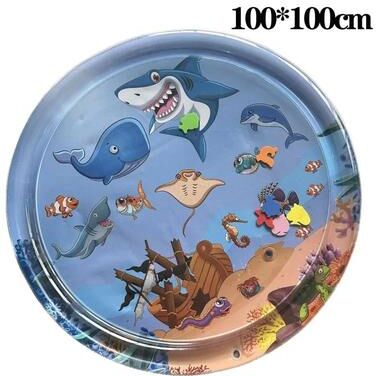
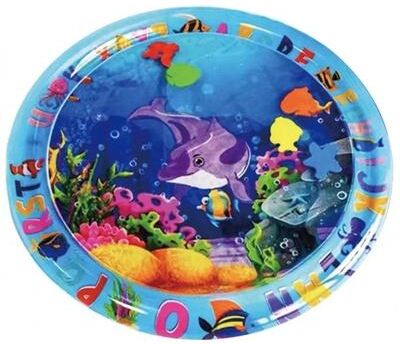
Inspired Finds Interactive Floating Fish Water Sensory Play Mat For Cats sensory MatTurn ordinary playtime into a captivating sensory adventure for your pet. This interactive cat mat features a waterfilled design with floating fish elements that move and shift as your cat paws, presses, and explores the surface. The engaging motion...34,99 $*Shipping: 0,00 $Secure redirect to the provider
-
Quick Pick Pro Stretchable Pop Tubes Sensory Stress Relief Toy Kids Party Favors & Dog Sensory Toy Pack Stretchable Pop Tubes Sensory Stress Relief Toy Kids Party Favors & Dog Sensory Toy PackTurn everyday fidgeting into fun, calming play with pop tubes sensory toy designed to entertain, soothe, and engage both kids and pets. This colorful 10piece set transforms simple movement into satisfying sound and motion that keeps hands busy and...29,97 $*Shipping: 0,00 $Secure redirect to the provider
-
Uplift Treasures Watermelon Slushie Squishy Sensory Fidget Toy Watermelon Slushie Squishy Sensory Fidget ToyProduct Description: Add a refreshing touch to your space with this handcraftedstyle watermelon slushie squishy toy. Designed with a realistic drink cup appearance, this soft squeeze toy provides a satisfying sensory experience while serving as a...105,97 $*Shipping: 0,00 $Secure redirect to the provider


-
What is sensory perception?
Sensory perception refers to the process of receiving and interpreting information from the environment through the senses. This includes the five main senses of sight, hearing, touch, taste, and smell, as well as other sensory experiences such as balance, proprioception, and temperature. The brain then processes this sensory information to create a perception of the world around us, allowing us to interact with and understand our surroundings. Sensory perception is essential for everyday functioning and plays a crucial role in how we experience and navigate the world. **
-
Are receptors sensory cells?
Receptors are not sensory cells themselves, but they are specialized proteins located on the surface of sensory cells. These receptors are responsible for detecting and responding to specific stimuli, such as light, sound, taste, or smell. When a receptor is activated by a stimulus, it triggers a series of biochemical reactions within the sensory cell, ultimately leading to the generation of a sensory signal that can be transmitted to the brain for processing. Therefore, while receptors are not sensory cells, they play a crucial role in the sensory process by detecting and transducing stimuli into neural signals. **
-
Why do educators need to know the structure of the sensory organs?
Educators need to know the structure of the sensory organs in order to understand how sensory information is processed and transmitted to the brain. This knowledge is essential for creating effective learning environments that cater to the diverse sensory needs of students. Understanding the structure of the sensory organs also helps educators recognize and address potential sensory issues that may affect a student's learning experience. Additionally, this knowledge can inform the development of teaching strategies that optimize sensory input to enhance learning and retention of information. **
-
How could one structure a research paper on sensory physiology in biology?
A research paper on sensory physiology in biology could be structured in a traditional format with an introduction, literature review, methods, results, discussion, and conclusion. The introduction could provide background information on sensory physiology and its importance in biology. The literature review would summarize existing research on sensory physiology. The methods section would detail how the study was conducted, including the experimental design and data collection methods. The results section would present the findings of the study, while the discussion section would analyze and interpret the results in the context of existing literature. Finally, the conclusion would summarize the key findings and their implications for the field of sensory physiology. **
What are sensory nerve cells?
Sensory nerve cells, also known as sensory neurons, are specialized cells that transmit information from the body's sensory organs (such as the skin, eyes, ears, nose, and tongue) to the central nervous system. These cells are responsible for detecting various stimuli, such as touch, temperature, pain, and pressure, and converting these stimuli into electrical signals that can be interpreted by the brain. Sensory nerve cells play a crucial role in allowing us to perceive and respond to our environment. **
Why is sensory transduction necessary?
Sensory transduction is necessary because it allows the body to convert various forms of environmental stimuli, such as light, sound, touch, and chemical signals, into electrical signals that can be interpreted by the nervous system. This process is essential for the body to perceive and respond to its surroundings, allowing for the detection of potential dangers, the regulation of bodily functions, and the experience of sensations such as taste, smell, and touch. Without sensory transduction, the body would not be able to effectively interact with its environment and respond to changes in its surroundings. **
Top-Angebote
Products related to Sensory:
-
Modern Mode Marketplace Water Sensory Play Mat, Thickened Inflatable Water Mat For Cat And Dog, Pet Playmat With Fish Sea Ocean Theme Sensory cMake playtime more exciting and interactive with our Water Sensory Play Mat Thickened Inflatable Water Mat For Cat And Dog Pet Playmat With Fish Sea Ocean Theme Sensory Toy Wateran ideal activity mat designed to keep your pets mentally stimulated,...29,97 $*Shipping: 0,00 $Secure redirect to the provider
-
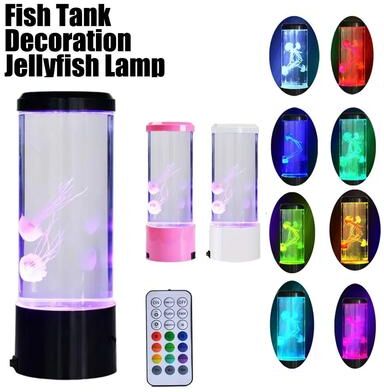
Uplift Essentials Floating Jellyfish Sensory Mood Lamp Floating Jellyfish Sensory Mood LampDive into a world of tranquility with the Floating Jellyfish Sensory Mood Lamp, a mesmerizing centerpiece designed to bring the calming depths of the ocean into your living space. This highdefinition aquarium uses advanced fluid dynamics to create a...72,97 $*Shipping: 0,00 $Secure redirect to the provider
-
Inspired Finds Interactive Floating Fish Water Sensory Play Mat For Cats sensory MatTurn ordinary playtime into a captivating sensory adventure for your pet. This interactive cat mat features a waterfilled design with floating fish elements that move and shift as your cat paws, presses, and explores the surface. The engaging motion...34,99 $*Shipping: 0,00 $Secure redirect to the provider
-
What are sensory cells, sensory organs, and senses?
Sensory cells are specialized cells that detect and respond to specific stimuli, such as light, sound, touch, taste, and smell. These cells are found in sensory organs, which are structures in the body that contain sensory cells and are responsible for detecting and transmitting sensory information to the brain. The senses, on the other hand, are the physiological capacities of organisms that provide data for perception. They include sight, hearing, touch, taste, and smell, and are essential for experiencing and interacting with the environment. **
-
What is the difference between a primary sensory cell, a secondary sensory cell, and a sensory nerve cell?
Primary sensory cells are specialized cells that directly detect stimuli from the environment, such as light, sound, or touch. Secondary sensory cells receive signals from primary sensory cells and transmit them to the central nervous system. Sensory nerve cells, also known as sensory neurons, are responsible for transmitting the signals from secondary sensory cells to the brain, where they are processed and interpreted. In summary, primary sensory cells detect stimuli, secondary sensory cells relay the signals, and sensory nerve cells transmit the signals to the brain for processing. **
-
What is sensory perception?
Sensory perception refers to the process of receiving and interpreting information from the environment through the senses. This includes the five main senses of sight, hearing, touch, taste, and smell, as well as other sensory experiences such as balance, proprioception, and temperature. The brain then processes this sensory information to create a perception of the world around us, allowing us to interact with and understand our surroundings. Sensory perception is essential for everyday functioning and plays a crucial role in how we experience and navigate the world. **
-
Are receptors sensory cells?
Receptors are not sensory cells themselves, but they are specialized proteins located on the surface of sensory cells. These receptors are responsible for detecting and responding to specific stimuli, such as light, sound, taste, or smell. When a receptor is activated by a stimulus, it triggers a series of biochemical reactions within the sensory cell, ultimately leading to the generation of a sensory signal that can be transmitted to the brain for processing. Therefore, while receptors are not sensory cells, they play a crucial role in the sensory process by detecting and transducing stimuli into neural signals. **
Similar search terms for Sensory
-
Quick Pick Pro Stretchable Pop Tubes Sensory Stress Relief Toy Kids Party Favors & Dog Sensory Toy Pack Stretchable Pop Tubes Sensory Stress Relief Toy Kids Party Favors & Dog Sensory Toy PackTurn everyday fidgeting into fun, calming play with pop tubes sensory toy designed to entertain, soothe, and engage both kids and pets. This colorful 10piece set transforms simple movement into satisfying sound and motion that keeps hands busy and...29,97 $*Shipping: 0,00 $Secure redirect to the provider
-
Uplift Treasures Watermelon Slushie Squishy Sensory Fidget Toy Watermelon Slushie Squishy Sensory Fidget ToyProduct Description: Add a refreshing touch to your space with this handcraftedstyle watermelon slushie squishy toy. Designed with a realistic drink cup appearance, this soft squeeze toy provides a satisfying sensory experience while serving as a...105,97 $*Shipping: 0,00 $Secure redirect to the provider
-
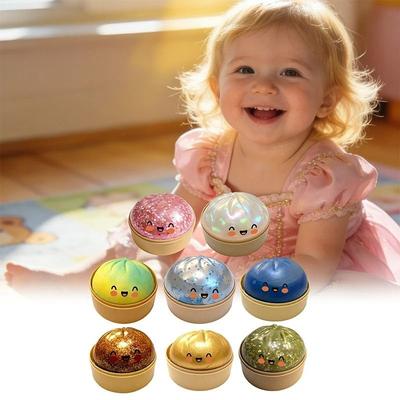
Uplift Essentials Simulation Flashing Dumpling Sensory Squeeze Toy Simulation Flashing Dumpling Sensory Squeeze ToyAdd a touch of playful squishy fun to your day with this simulation flashing dumpling sensory squeeze toy. Designed to look like a freshly steamed Asian dumpling complete with delicate dough pleats, this soft toy hides an exciting secretsqueeze or...41,97 $*Shipping: 0,00 $Secure redirect to the provider
-
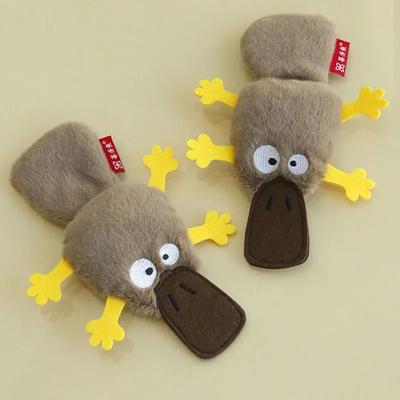
Uplift Essentials """Crinkle Crunch"" Platypus Multi Sensory Teaser ""Crinkle Crunch"" Platypus Multi Sensory Teaser""Satisfy your cats natural curiosity with the ""CrinkleCrunch"" Platypus MultiSensory Teaser. This whimsical, Australianinspired toy is designed to engage all of your pet's hunting senses in one go. Featuring a unique combination of auditory and..."39,97 $*Shipping: 0,00 $Secure redirect to the provider
-
Why do educators need to know the structure of the sensory organs?
Educators need to know the structure of the sensory organs in order to understand how sensory information is processed and transmitted to the brain. This knowledge is essential for creating effective learning environments that cater to the diverse sensory needs of students. Understanding the structure of the sensory organs also helps educators recognize and address potential sensory issues that may affect a student's learning experience. Additionally, this knowledge can inform the development of teaching strategies that optimize sensory input to enhance learning and retention of information. **
-
How could one structure a research paper on sensory physiology in biology?
A research paper on sensory physiology in biology could be structured in a traditional format with an introduction, literature review, methods, results, discussion, and conclusion. The introduction could provide background information on sensory physiology and its importance in biology. The literature review would summarize existing research on sensory physiology. The methods section would detail how the study was conducted, including the experimental design and data collection methods. The results section would present the findings of the study, while the discussion section would analyze and interpret the results in the context of existing literature. Finally, the conclusion would summarize the key findings and their implications for the field of sensory physiology. **
-
What are sensory nerve cells?
Sensory nerve cells, also known as sensory neurons, are specialized cells that transmit information from the body's sensory organs (such as the skin, eyes, ears, nose, and tongue) to the central nervous system. These cells are responsible for detecting various stimuli, such as touch, temperature, pain, and pressure, and converting these stimuli into electrical signals that can be interpreted by the brain. Sensory nerve cells play a crucial role in allowing us to perceive and respond to our environment. **
-
Why is sensory transduction necessary?
Sensory transduction is necessary because it allows the body to convert various forms of environmental stimuli, such as light, sound, touch, and chemical signals, into electrical signals that can be interpreted by the nervous system. This process is essential for the body to perceive and respond to its surroundings, allowing for the detection of potential dangers, the regulation of bodily functions, and the experience of sensations such as taste, smell, and touch. Without sensory transduction, the body would not be able to effectively interact with its environment and respond to changes in its surroundings. **
* All prices are inclusive of VAT and, if applicable, plus shipping costs. The offer information is based on the details provided by the respective shop and is updated through automated processes. Real-time updates do not occur, so deviations can occur in individual cases. ** Note: Parts of this content were created by AI.