Buy screenwriting.eu ?
We are moving the project
screenwriting.eu .
Are you interested in purchasing the domain
screenwriting.eu ?
domain@kv-gmbh.de · 0541-91531010
Buy screenwriting.eu ?
How does speciation occur in biology?
Speciation occurs in biology when a population of organisms becomes isolated from the rest of its species, leading to genetic differences accumulating over time. These genetic differences can be the result of mutations, natural selection, genetic drift, or other factors. Eventually, the isolated population may become different enough from the original population that they can no longer interbreed and produce viable offspring, leading to the formation of a new species. This process can take thousands or even millions of years to occur. **
How does speciation occur through evolution?
Speciation occurs through evolution when a population of organisms becomes reproductively isolated from the rest of its species, leading to the development of distinct genetic traits and characteristics. This isolation can occur through various mechanisms such as geographic barriers, behavioral differences, or genetic mutations. Over time, these genetic differences accumulate, leading to the formation of a new species that is unable to interbreed with the original population. This process of speciation is a key driver of biodiversity and the development of new species over time. **


Similar search terms for Speciation
Top-Angebote
Products related to Speciation:
-
Felt Right Structure Greys Sound Dampening Pinnable TilesMeet the smaller version of our popular new Structure design. Our Greys version features a beautiful argyle pattern made up of crisp neutral colors, giving any space a contemporary feel. And don’t forget all that wonderful sound dampening, thanks to...414,96 $*Shipping: 0,00 $Secure redirect to the provider
-
Felt Right Structure Midnight Sound Dampening Pinnable TilesMeet the smaller version of our popular new Structure design. Our Midnight version features a beautiful argyle pattern made up of crisp neutral colors with a dash of Admiral blue for depth, giving any space a contemporary feel. And don’t forget all...414,96 $*Shipping: 0,00 $Secure redirect to the provider
-
A-Street Prints Structure Green Chain Link WallpaperGive décor a mod punch with this energizing wallpaper design. A quatrefoil stripe gives walls the illusion of a stylish chain link design that lends a fresh and contemporary air to your space.99,99 $*Shipping: 0,00 $Secure redirect to the provider
-
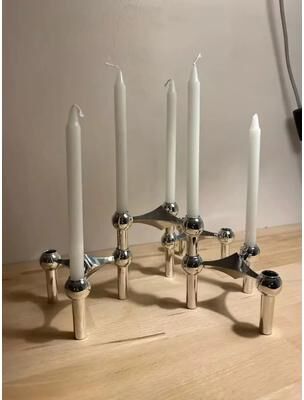
Uplift Essentials Molecular Structure Nordic Candle Holder blackAdd a touch of contemporary elegance to your space with the Molecular Structure Nordic Candle Holder, a stunning fusion of scientific inspiration and minimalist design. This silver candlestick centerpiece features a unique geometric framework that...67,97 $*Shipping: 0,00 $Secure redirect to the provider



-
What are the selection conditions in speciation?
The selection conditions in speciation refer to the factors that drive the divergence of populations into separate species. These conditions include natural selection, genetic drift, and sexual selection. Natural selection acts on the variation within a population, favoring traits that increase an individual's fitness in a specific environment. Genetic drift, on the other hand, is the random fluctuation of allele frequencies in a population, which can lead to the fixation of different alleles in separate populations. Finally, sexual selection can drive the evolution of traits that enhance an individual's ability to attract mates, leading to reproductive isolation and ultimately speciation. **
-
How does speciation occur in mistletoe crows?
Mistletoe crows are a type of bird that have been observed to undergo speciation through a process known as ecological speciation. This occurs when different populations of mistletoe crows become adapted to different ecological niches within their habitat, leading to the development of reproductive isolation. For example, mistletoe crows that feed on different species of mistletoe plants may become genetically distinct over time, leading to the formation of new species. Additionally, geographic isolation can also play a role in speciation, as different populations of mistletoe crows may become isolated from one another and evolve independently. **
-
What is meant by selection conditions in speciation?
Selection conditions in speciation refer to the environmental pressures or factors that drive the evolution of new species. These conditions can include factors such as competition for resources, predation, or changes in habitat. Organisms that are better adapted to these selection conditions are more likely to survive and reproduce, leading to the formation of new species over time. Ultimately, selection conditions play a crucial role in shaping the genetic diversity and evolutionary trajectories of populations undergoing speciation. **
-
What is a mnemonic for the term speciation?
A mnemonic for the term speciation could be "S.P.E.C.I.E.S." where each letter stands for a different aspect of speciation: - S: Separation of populations - P: Population genetic changes - E: Ecological divergence - C: Courtship and mating behaviors - I: Isolation mechanisms - E: Evolutionary divergence - S: Speciation achieved **


What is the difference between allopatric and sympatric speciation?
Allopatric speciation occurs when a population is separated by a physical barrier, such as a river or mountain range, leading to the evolution of two separate species. In contrast, sympatric speciation occurs when a new species evolves within the same geographic area as its parent species, without any physical barriers. Sympatric speciation often involves factors such as ecological, behavioral, or genetic differences driving the formation of a new species within the same habitat. **
What does disruptive selection have to do with speciation?
Disruptive selection can play a role in speciation by driving the divergence of a population into two distinct phenotypic forms, which can eventually lead to the formation of two separate species. This occurs when extreme phenotypes are favored over intermediate forms, causing the population to split into two distinct groups with different traits. Over time, these groups may become reproductively isolated from each other, leading to the formation of new species through the process of speciation. **
Top-Angebote
Products related to Speciation:
-
Uplifted Goods Character Theme LED Digital Timepiece For Children fEstablish a high level of personal time management with this High Performance Youth Chronographic Hub. Engineered with a Reinforced Polymeric Structural Shield and a specialized characterthemed frame, this watch is designed to provide a definitive...34,97 $*Shipping: 0,00 $Secure redirect to the provider
-
Felt Right Structure Greys Sound Dampening Pinnable TilesMeet the smaller version of our popular new Structure design. Our Greys version features a beautiful argyle pattern made up of crisp neutral colors, giving any space a contemporary feel. And don’t forget all that wonderful sound dampening, thanks to...414,96 $*Shipping: 0,00 $Secure redirect to the provider
-
Felt Right Structure Midnight Sound Dampening Pinnable TilesMeet the smaller version of our popular new Structure design. Our Midnight version features a beautiful argyle pattern made up of crisp neutral colors with a dash of Admiral blue for depth, giving any space a contemporary feel. And don’t forget all...414,96 $*Shipping: 0,00 $Secure redirect to the provider
-
How does speciation occur in biology?
Speciation occurs in biology when a population of organisms becomes isolated from the rest of its species, leading to genetic differences accumulating over time. These genetic differences can be the result of mutations, natural selection, genetic drift, or other factors. Eventually, the isolated population may become different enough from the original population that they can no longer interbreed and produce viable offspring, leading to the formation of a new species. This process can take thousands or even millions of years to occur. **
-
How does speciation occur through evolution?
Speciation occurs through evolution when a population of organisms becomes reproductively isolated from the rest of its species, leading to the development of distinct genetic traits and characteristics. This isolation can occur through various mechanisms such as geographic barriers, behavioral differences, or genetic mutations. Over time, these genetic differences accumulate, leading to the formation of a new species that is unable to interbreed with the original population. This process of speciation is a key driver of biodiversity and the development of new species over time. **
-
What are the selection conditions in speciation?
The selection conditions in speciation refer to the factors that drive the divergence of populations into separate species. These conditions include natural selection, genetic drift, and sexual selection. Natural selection acts on the variation within a population, favoring traits that increase an individual's fitness in a specific environment. Genetic drift, on the other hand, is the random fluctuation of allele frequencies in a population, which can lead to the fixation of different alleles in separate populations. Finally, sexual selection can drive the evolution of traits that enhance an individual's ability to attract mates, leading to reproductive isolation and ultimately speciation. **
-
How does speciation occur in mistletoe crows?
Mistletoe crows are a type of bird that have been observed to undergo speciation through a process known as ecological speciation. This occurs when different populations of mistletoe crows become adapted to different ecological niches within their habitat, leading to the development of reproductive isolation. For example, mistletoe crows that feed on different species of mistletoe plants may become genetically distinct over time, leading to the formation of new species. Additionally, geographic isolation can also play a role in speciation, as different populations of mistletoe crows may become isolated from one another and evolve independently. **
Similar search terms for Speciation
-
A-Street Prints Structure Green Chain Link WallpaperGive décor a mod punch with this energizing wallpaper design. A quatrefoil stripe gives walls the illusion of a stylish chain link design that lends a fresh and contemporary air to your space.99,99 $*Shipping: 0,00 $Secure redirect to the provider
-
Uplift Essentials Molecular Structure Nordic Candle Holder blackAdd a touch of contemporary elegance to your space with the Molecular Structure Nordic Candle Holder, a stunning fusion of scientific inspiration and minimalist design. This silver candlestick centerpiece features a unique geometric framework that...67,97 $*Shipping: 0,00 $Secure redirect to the provider
-
Uplifted Goods Character Theme LED Digital Timepiece For Children aEstablish a high level of personal time management with this High Performance Youth Chronographic Hub. Engineered with a Reinforced Polymeric Structural Shield and a specialized characterthemed frame, this watch is designed to provide a definitive...34,97 $*Shipping: 0,00 $Secure redirect to the provider
-
Uplifted Goods Character Theme LED Digital Timepiece For Children dEstablish a high level of personal time management with this High Performance Youth Chronographic Hub. Engineered with a Reinforced Polymeric Structural Shield and a specialized characterthemed frame, this watch is designed to provide a definitive...34,97 $*Shipping: 0,00 $Secure redirect to the provider
-
What is meant by selection conditions in speciation?
Selection conditions in speciation refer to the environmental pressures or factors that drive the evolution of new species. These conditions can include factors such as competition for resources, predation, or changes in habitat. Organisms that are better adapted to these selection conditions are more likely to survive and reproduce, leading to the formation of new species over time. Ultimately, selection conditions play a crucial role in shaping the genetic diversity and evolutionary trajectories of populations undergoing speciation. **
-
What is a mnemonic for the term speciation?
A mnemonic for the term speciation could be "S.P.E.C.I.E.S." where each letter stands for a different aspect of speciation: - S: Separation of populations - P: Population genetic changes - E: Ecological divergence - C: Courtship and mating behaviors - I: Isolation mechanisms - E: Evolutionary divergence - S: Speciation achieved **
-
What is the difference between allopatric and sympatric speciation?
Allopatric speciation occurs when a population is separated by a physical barrier, such as a river or mountain range, leading to the evolution of two separate species. In contrast, sympatric speciation occurs when a new species evolves within the same geographic area as its parent species, without any physical barriers. Sympatric speciation often involves factors such as ecological, behavioral, or genetic differences driving the formation of a new species within the same habitat. **
-
What does disruptive selection have to do with speciation?
Disruptive selection can play a role in speciation by driving the divergence of a population into two distinct phenotypic forms, which can eventually lead to the formation of two separate species. This occurs when extreme phenotypes are favored over intermediate forms, causing the population to split into two distinct groups with different traits. Over time, these groups may become reproductively isolated from each other, leading to the formation of new species through the process of speciation. **
* All prices are inclusive of VAT and, if applicable, plus shipping costs. The offer information is based on the details provided by the respective shop and is updated through automated processes. Real-time updates do not occur, so deviations can occur in individual cases. ** Note: Parts of this content were created by AI.